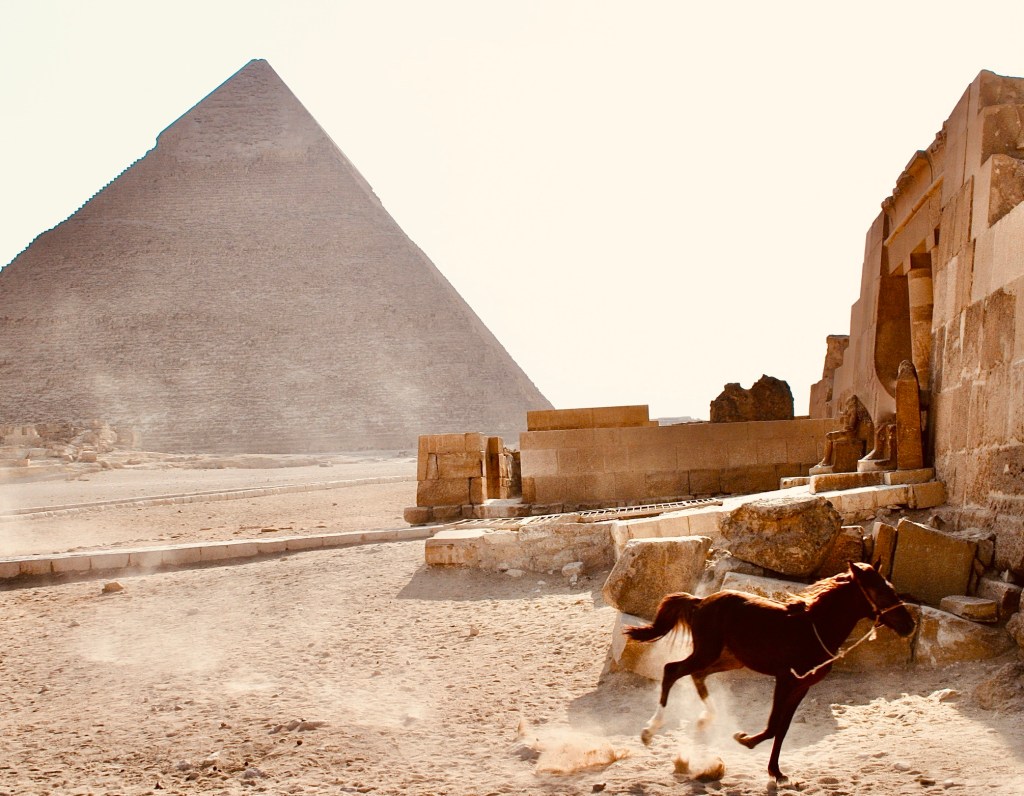
Across the Span of Life
The human condition equalizes us all. While someone’s physical size may dissuade us at some point or another from raising our fists, no one is truly superior to anyone else. Giants have fallen since long before Goliath: nature shows that the tiniest creatures —from bacteria, viruses, and fungal spores to manifold insects— are the most effective killers. History shows that the meekest, poorest, and weakest amongst us possess the same potential as the heirs of riches and empires.
From the chapter They will take note
Diplomat, photographer, chess player, long-distance runner, deep-sea diver and mountain climber, Mario Arvelo has spent thirty years in the front line of multilateral diplomacy across five continents, chairing United Nations bodies on food security and agriculture; he has addressed heads of state and government, cabinet ministers, parliamentarians, and chief executives. Asked to give commencement addresses at high schools and universities, Arvelo began distilling that experience for an audience just setting out. This book grew from those speeches.
Forty-five short chapters gather what he found worth saying to young people, to their parents and teachers, and to everyone else. Drawing on philosophy, scripture, history, poetry, film, and music, Arvelo takes up the questions that define us: how to conduct ourselves and treat others, how to meet failure and reach success, how to earn the trust of others and leave a mark.
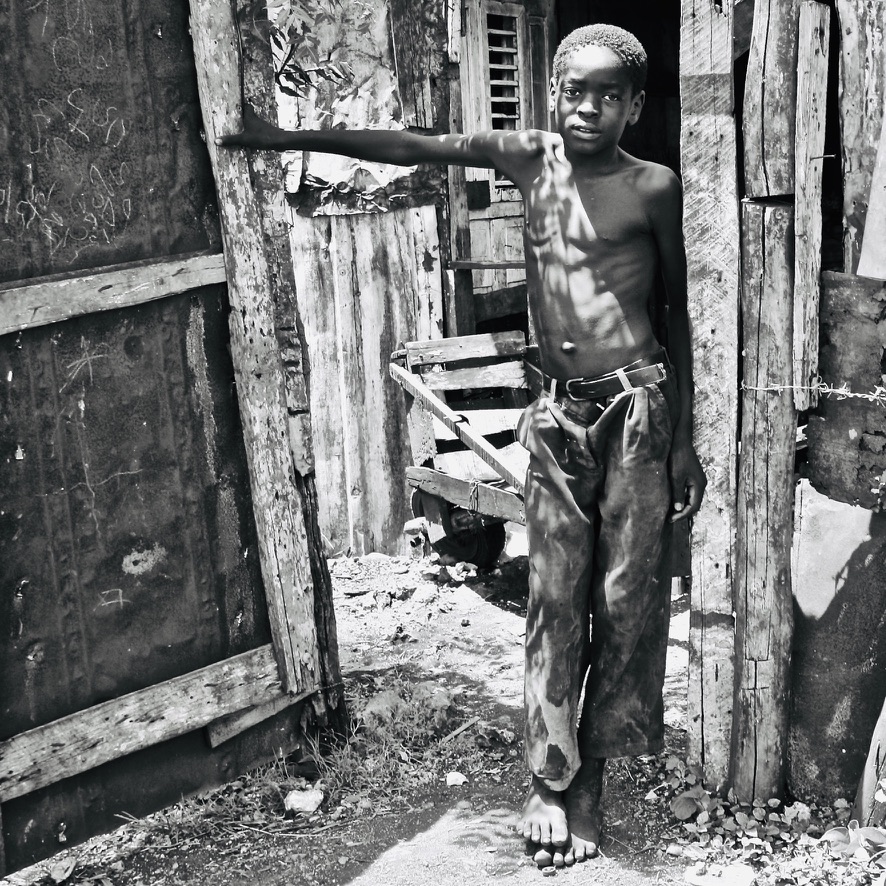
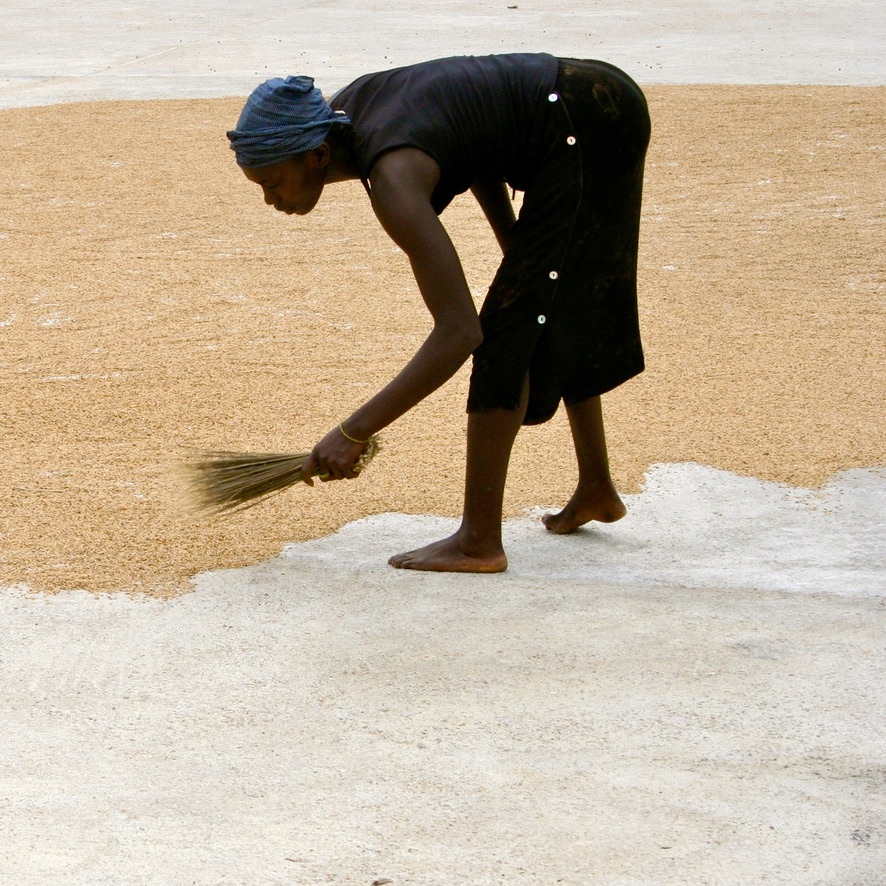
A photograph of his own accompanies every chapter. The one above, Home Bittersweet Home (2006), was awarded and exhibited across several countries by the International Federation for Human Rights Museums, and hangs in embassies and international organizations —as it does in Arvelo’s study— as a reminder of the persistence of poverty and of the ethical imperative to eradicate it.
Across the Span of Life is published simultaneously in a Spanish edition, A través del arco de la vida. Find out more about the author at marioarvelo.com
From the book, on how we learn:
An education is not memorizing stuff, or not just. It is making the most of available tools for comprehending what goes on around us, finding connections between what we and others know, and expanding and innovating on what we have learned.
From the chapter Things worth knowing
As they meet, merge, and scale up, education and memory can open all windows to attaining knowledge, setting goals, and taking action. In Prometheus Bound, written twenty-five centuries ago, Greek playwright Aeschylus affirms that “All wisdom comes from memory.” A footprint in the sand —a metaphor to signify the fickleness of human certainties and the inherent fragility of our endeavors— underscores the need to cultivate learning and remembrance continually.
Caption for the chapter The key to success

Danish physicist Niels Bohr, whose descriptions of the atomic structure earned him a Nobel Prize, remarked that an expert has gone through all the mistakes that can be made in a very narrow field. Of course, erring repeatedly will not, in and of itself, help anyone become proficient in anything. Reversing the argument, we find the key: we learned to walk first by trying, constantly failing/falling, and gradually gaining confidence in mastering a skill that literally allows us to go places. Hence, it is easy to conclude that getting something wrong is analogous to acquiring experience, which is the best way to avoid repeating the same mistakes.
From the chapter Acquiring experience
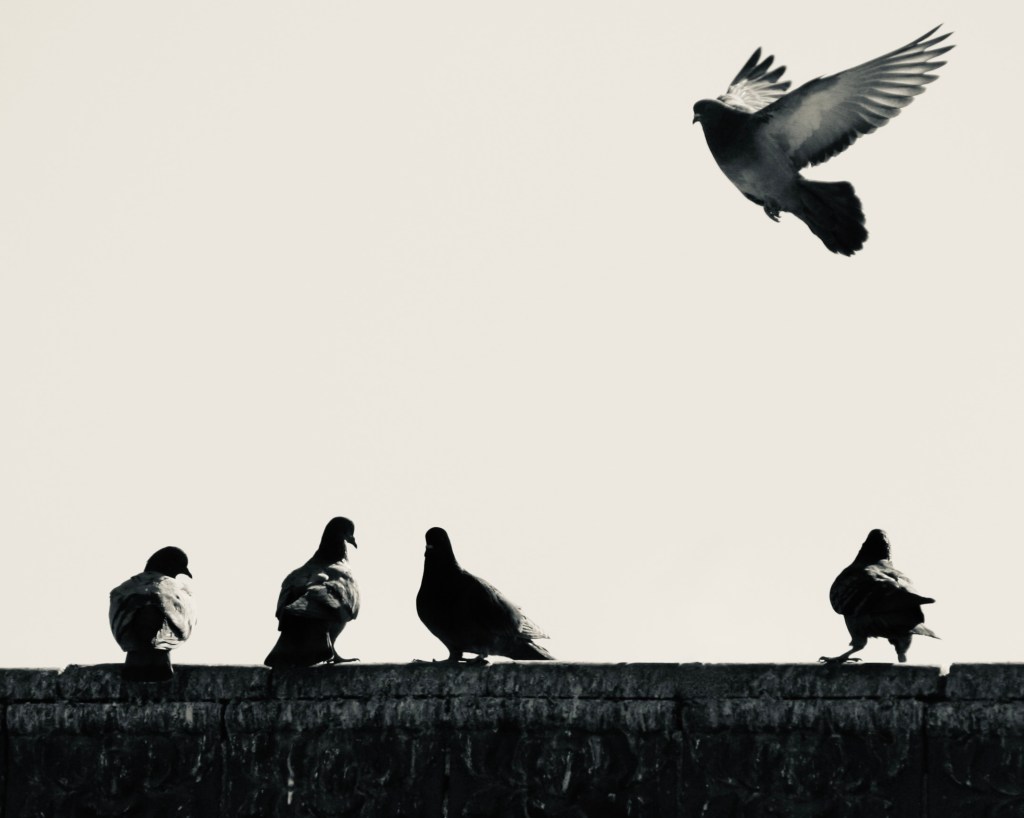
Even as the ability to fly is innate to birds, the skills needed for executing complex maneuvers such as touching down safely can only be mastered through experience, that is, learning from repeated failure.
Caption for the chapter Acquiring experience
From the book, on who we become:
The first maxim said to have been inscribed on the frontispiece of Apollo’s shrine at Delphi should lead the way towards defining who each of us is: “Know thyself.” Some two thousand four hundred years ago, Chinese philosopher Laozi wrote the foundational text of Taoism, the Dao De Jing; verse 33 states, “Knowing others is smart; knowing yourself is wise.”
From the chapter Define yourself
Most people seek refuge in the safety of numbers, taking cover among the like-minded and swiftly labeling the non-conforming as antagonists to be vanquished, suppressed, or —at the very least— ignored or silenced. The trick, then, is to absorb society’s seemingly irresistible pull without surrendering the core: ‘listen to others, but define yourself.’
From the chapter Define yourself
The understanding I propose is to measure every intended action as a test of fealty to oneself: ‘If I double-cross my [spouse, business partner, or institution] I’m betraying myself, and I’m the lesser for it.’
From the chapter Be loyal, be honest
Another lesson from my mother is that the truth will always be your best excuse when anything goes wrong. If you choose to lie, keep in mind that deception is easily spotted, seldom forgiven, and never forgotten.
From the chapter Your best excuse
From the book, on how we hold ourselves:
In 1792, political philosopher Thomas Paine remarked, “Moderation in temper is always a virtue; but moderation in principle is a species of vice.” Let us also remember poet Wallace Rice’s Greek-styled verse advocating to be “Moderate in moderation.”
From the chapter Be moderate
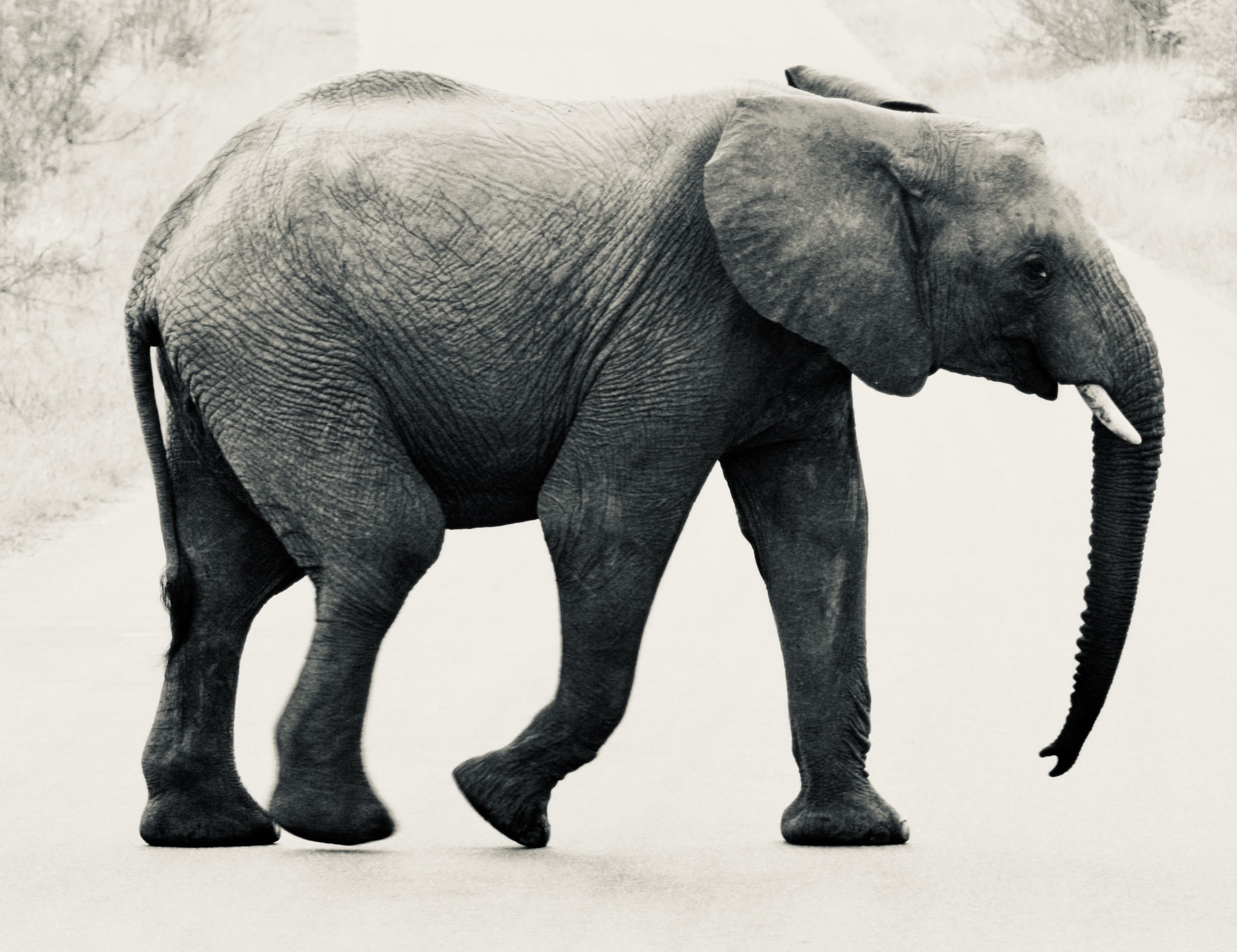
Elephants, slow to anger despite their formidable physical power and moving at the speed of the herd’s slowest brethren, symbolize wisdom and patience.
Caption for the chapter Be patient
The road to knowledge starts in the womb and never truly finishes. The struggle to secure our daily bread marks every step we take across the span of our lives. Even as life tends to equal work, it is imperative to remember that we labor for living, not the opposite.
Caption for the chapter All great things
A lady pedaling (recklessly without a helmet) in Bologna, carrying a bag with the Italian inscription Stare bene è una cosa semplice, ‘Being well is a simple thing.’
Caption for the chapter On foot or cycling

If you wish to live long years in peace and good health, refrain from telling others what to do… except if you are a commencement speaker.
From the chapter To live long years
From the book, on what we attend to:
Do What You Love, The Money Will Follow is the title of a 1987 book by Marsha Sinetar. Having little enthusiasm for this wording, which is usually considered a groovy piece of career advice, I prefer an antithesis: it is tempting to follow your heart when making choices, but it is wiser to follow your mind. […] The point is that we should indeed strive to do what we love —as well as love what we do— with a view to continuous improvement of all facets of such labor while bettering ourselves as persons.
From the chapter Think things through
In the concrete reality of the cosmos, those specks of light originate in places far apart from each other in the vastness of the universe, at such great distance from us that they could have died out long ago, and we would not know it yet. […] What is written in the stars can convey secrets and whisper poetry.
From the chapter Whisper poetry
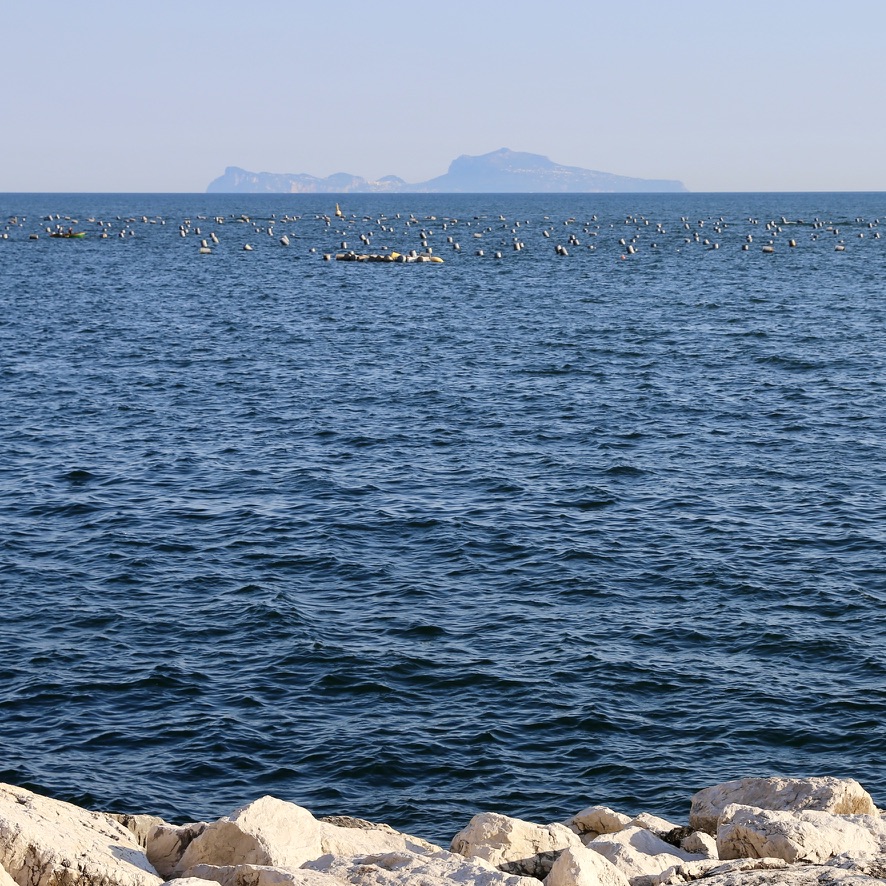
[Columbus] never saw the half of it. Beneath the waterline his caravels traced, coral gardens sway over pale sand, sea turtles glide through columns of filtered light, and reefs older than any chart harbor kaleidoscopes of fish: a second landscape, weightless and silent, that we divers roam in wonder. Five centuries on, ‘the handsomest thing in the world’ turns out to have been an understatement.
From the chapter The most beautiful
From the book, on what we owe:
From Aristotle to Donne to Hemingway, none of us is an island, meaning that we depend on one another for most things, from giving and receiving love to translating our ideas into reality.
From the chapter Depend on one another
The stereotypical emoji-ready coconut tree on a sandy patch typifying a tropical paradise also contains the opposite of happiness: an existential need for outsiders to descend on it as rescuers.
Caption for the chapter Depend on one another
Waste no food because about one in ten people on earth, primarily women and children, will endure this whole day on an empty stomach. We can and should take many actions in the war against hunger and the suffering it causes, and not wasting food is the easiest.
From the chapter Waste no food
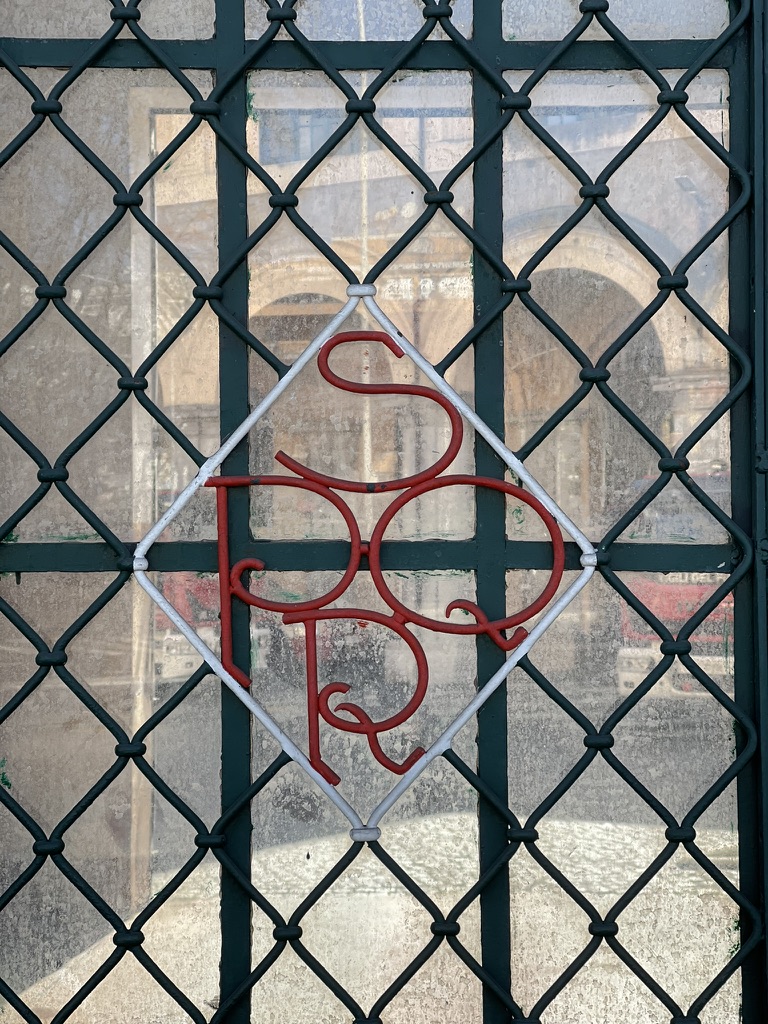
The assertion that power can only be legitimate if it comes down from everyone because it is our money that governments use for everything they do is exemplified by the ancient Roman custom, preserved in the Italian capital, to affix the letters “SPQR” —the acronym for Senatus Populusque Romanus, “the Senate and the People of Rome”— to public works, denoting that their construction emanates from the legislature’s political will and lawful authority, and the taxes paid by the people.
Caption for the chapter Make your voice count
If it’s true that certain inalienable rights are integral to the human condition, becoming aware of the plight of the poor is an ethical imperative because the best predictor of affluence or hardship is the luck of the draw. All studies find that the socioeconomic placement of the family we are born into is a critical factor for how prosperous an individual will be. All rags-to-riches stories combine staggering talent and arduous work invariably infused with chance; for each one, untold millions are left behind.
From the chapter Prosper, and give back
The seed you choose to plant will bloom, one way or another. As with every human enterprise, this is easier said than done: the seed must take root in fertile soil, get the right amount of water and sunshine, imbibe a few doses of fertilizer and pesticide, endure some pruning and straightening… and catch more than a bit of luck.
From the chapter Prosper, and give back
From the book, on what is to come:
Now that you’re either beginning a new phase of studies or graduating, this is a bright day for you, your parents, and your teachers. It is also a splendid day for the rest of us: a whole world needs you to change it for the better. As you take this step forward, remember that all great things anyone ever accomplished started with a vision —a dream— followed by hard work.
From the chapter All great things
The best advice bridging the span between the blink of an eye and perpetuity should be, like Mahatma Gandhi proposed, being joyful as if death will visit any minute while seeking personal growth as if we were immortal.
Caption for the chapter The best advice